
B2B Engineering Website Design:
Complete Guide for Industrial Companies
Why Engineering Websites Are Evaluated Differently
For engineering firms, EPC companies, and manufacturers, a website is not a branding asset. It is a credibility checkpoint. Senior decision makers assess capability, scale, and reliability within seconds. If the structure or UI feels generic, trust drops immediately.
This is why b2b engineering website design must follow industrial logic, not marketing trends.
Industry-Specific UI and Its Role in Trust Building
Engineering decision makers expect systems, not storytelling.
Industry-specific UI relies on disciplined layouts, clear hierarchy, and predictable navigation.
A strong engineering company website design uses:
- Grid-based structures
- Technical typography
- Restrained color systems
- Clear separation of industries, solutions, and applications
This visual discipline signals operational maturity.
Website Structure That Aligns With Engineering Buying Behavior
Engineering buyers evaluate vendors through relevance and capability. A high-performing b2b website structure makes this assessment frictionless.
Critical structural elements include:
- Industries served instead of generic services
- Solutions organized by application
- Clear visibility of certifications and standards
- Geographic and market coverage clarity
- Direct access to technical discussions or RFQs
When structure matches internal evaluation logic, confidence increases.
UX Expectations of CEOs and Engineering Managers
In industrial contexts, UX is not about engagement. It is about decision efficiency.
Effective industrial website UX ensures:
- Immediate access to credibility signals
- Minimal scrolling to validate relevance
- Clear, professional contact pathways
- Desktop-first optimization for corporate environments
UX should reduce uncertainty, not introduce friction.
Visual Language Standards Used Across Global Engineering Firms
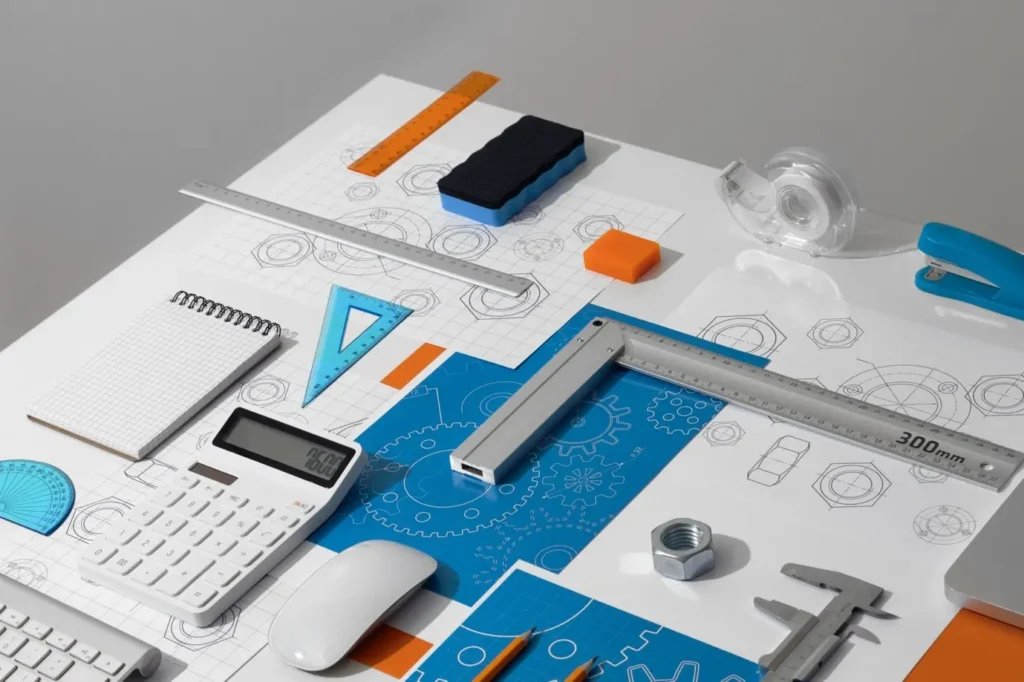
Visual presentation influences perception before content is read.
Globally accepted industrial website design standards focus on clarity and seriousness.
Common characteristics include:
- Neutral industrial color palettes
- Consistent spacing systems
- Technical iconography
- Real project and site imagery
This visual language supports enterprise-level positioning.
How Design Discipline Translates Into ROI
When engineering websites follow industry-aligned design and structure:
- Lead quality improves
- Sales conversations start at a higher level
- Trust is established earlier in the cycle
- International credibility strengthens
- Marketing spend becomes more efficient
This is how engineering web development contributes to ROI without aggressive promotion.
Why Corporate Engineering Agencies Outperform Generic Designers
Most agencies design visually appealing websites.
Very few understand engineering sales cycles, procurement behavior, or enterprise risk assessment.
A corporate agency like WebInfinites builds engineering websites as:
- Business infrastructure
- Sales enablement platforms
- Trust and authority systems
- Long-term growth assets
Execution is driven by industry understanding, not templates.
What Leadership Should Evaluate in Their Website Today
For CEOs and managers, the key question is whether the website reflects the level of work the company aims to secure. If the platform feels generic, unclear, or marketing-driven, it silently limits growth.
Technically aligned b2b engineering website design ensures the website supports decision making rather than undermining it.
Final Thoughts
2025 belongs to the brands that adapt faster and think smarter. Investing in these Digital Marketing Services isn’t an expense, it’s the foundation for future growth.
WebInfinites — your globally recognized Digital Marketing Agency for AI-driven corporate transformation.
